
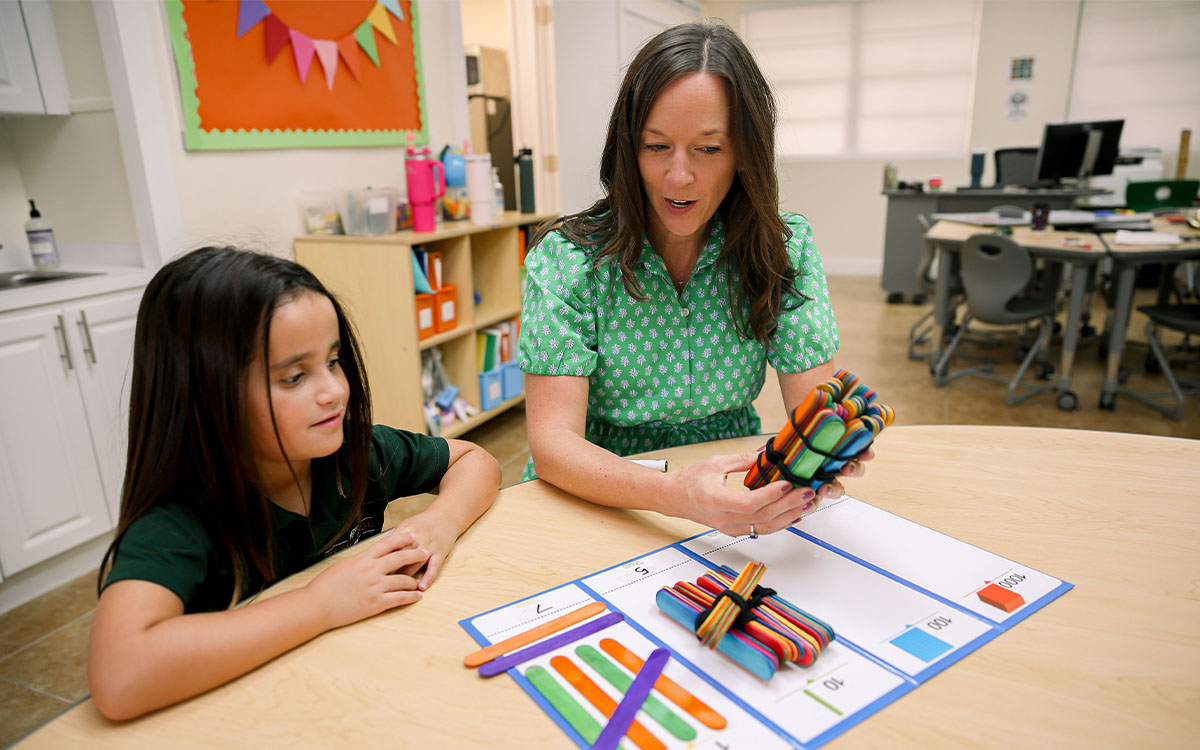
The need for effective teaching methods that engage and inspire students is more critical than ever. Multi-modal and interactive lessons have emerged as powerful tools in achieving this goal, fostering deeper understanding and retention of knowledge. At Westbridge Academy, we have embraced these innovative approaches to create a vibrant and inclusive learning environment that caters to the diverse needs of our students.
What Are Multi-Modal and Interactive Lessons?
Multi-modal lessons utilize various modes of learning—visual, auditory, kinesthetic, and tactile—to engage students through multiple senses. This approach recognizes that students have different learning styles and preferences, and it aims to provide diverse entry points to learning content. Interactive lessons, on the other hand, involve active participation from students, encouraging them to engage with the material, collaborate with peers, and apply their knowledge in real-world contexts.
Benefits of Multi-Modal Learning
1. Enhanced Engagement
By incorporating multiple modes of learning, multi-modal lessons capture students’ attention and keep them engaged. Visual aids, such as diagrams and videos, can help clarify complex concepts, while hands-on activities allow students to experiment and learn through doing.
2. Improved Retention
Research has shown that engaging multiple senses during learning helps improve retention and recall of information. Multi-modal lessons ensure that students process information through different channels, reinforcing their understanding and memory.
3. Catering to Diverse Learning Styles
Every student has a unique learning style. Multi-modal lessons accommodate these differences by providing various ways for students to access and engage with the content. This inclusive approach ensures that all students, regardless of their preferred learning style, have an equal opportunity to succeed.
Advantages of Interactive Lessons
1. Active Learning
Interactive lessons promote active learning, where students are participants rather than passive recipients of information. This active engagement leads to deeper understanding and encourages critical thinking and problem-solving skills.
2. Collaboration and Communication
Many interactive lessons involve group work and discussions, fostering collaboration and communication among students. These skills are essential for success in the modern world, and interactive lessons provide a safe and supportive environment for students to practice them.
3. Real-World Application
Interactive lessons often include real-world scenarios and problem-solving activities. This practical application of knowledge helps students see the relevance of what they are learning and how it applies outside the classroom.
Implementing Multi-Modal and Interactive Lessons at Westbridge Academy
At Westbridge Academy, we have successfully integrated multi-modal and interactive lessons across our curriculum. Here are some examples of how we apply these approaches:
1. Science Classes
In science classes, we use a combination of visual aids, such as diagrams and videos, hands-on experiments, and group discussions to explore scientific concepts. Students can see, hear, and touch the materials they are learning about, which enhances their understanding and retention.
2. History Lessons
Our history lessons include multimedia presentations, primary source analyses, and reenactments of historical events. These activities help students visualize and connect with the past, making history come alive and fostering a deeper appreciation for the subject.
3. Mathematics Instruction
We incorporate interactive math games, visual aids like graphs and charts, and real-world problem-solving activities. These methods make abstract concepts more concrete and help students develop strong mathematical skills.
4. Literature and Language Arts
In literature and language arts, we use a blend of reading, writing, discussions, and dramatic interpretations. This multi-modal approach allows students to explore texts from various angles and develop a well-rounded understanding of the material.
Comprehensive and Inclusive Learning
The power of multi-modal and interactive lessons lies in their ability to engage, inspire, and educate students in a comprehensive and inclusive manner. At Westbridge Academy, we are committed to providing an educational experience that recognizes and caters to the diverse needs of our students. By embracing these innovative teaching methods, we prepare our students not only to succeed academically but also to thrive in all areas of their lives.
FAQs about Multi-Modal and Interactive Lessons
1. What are multi-modal lessons?
Multi-modal lessons use various modes of learning—visual, auditory, kinesthetic, and tactile—to engage students through multiple senses and accommodate different learning styles.
2. What makes interactive lessons effective?
Interactive lessons are effective because they involve active student participation, promoting deeper understanding, critical thinking, and real-world application of knowledge.
3. How do multi-modal lessons enhance engagement?
By incorporating multiple modes of learning, multi-modal lessons capture students’ attention and keep them engaged, making learning more dynamic and interesting.
4. Why is improved retention a benefit of multi-modal learning?
Engaging multiple senses during learning helps reinforce understanding and memory, leading to improved retention and recall of information.
5. How do interactive lessons promote collaboration?
Interactive lessons often involve group work and discussions, fostering collaboration and communication among students in a supportive environment.
6. Can multi-modal lessons cater to all learning styles?
Yes, multi-modal lessons accommodate different learning styles by providing various ways for students to access and engage with the content.
7. What are some examples of multi-modal activities in science classes?
Examples include visual aids like diagrams, hands-on experiments, and group discussions, which help students engage with and understand scientific concepts.
8. How do interactive lessons apply to real-world scenarios?
Interactive lessons often include practical problem-solving activities that help students see the relevance of their learning in real-world contexts.
9. What are the benefits of using visual aids in mathematics instruction?
Visual aids like graphs and charts make abstract mathematical concepts more concrete, aiding understanding and retention.
10. How do multi-modal and interactive lessons prepare students for success?
These lessons engage students in comprehensive and inclusive learning experiences, developing critical thinking, collaboration, and real-world application skills essential for success.
0 Comments