
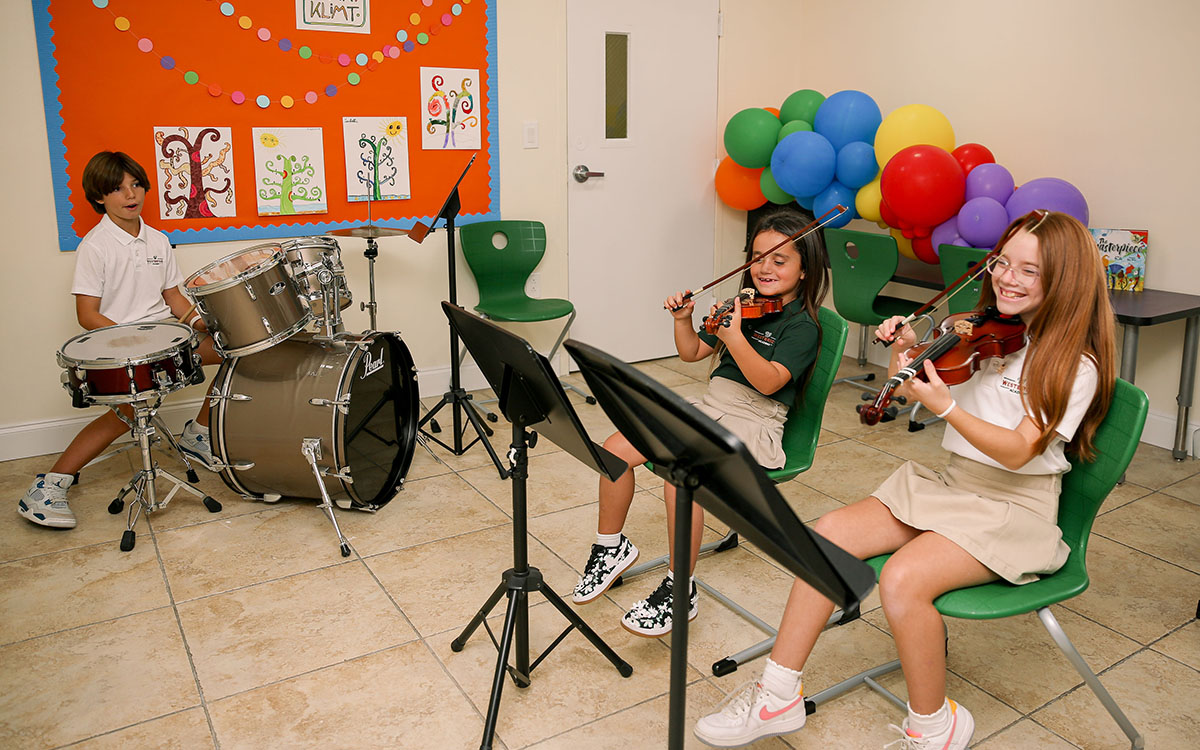
Children with dyslexia and other learning differences often face unique challenges in traditional educational environments. They may struggle to keep up with the pace of instruction, find it difficult to retain information, or feel isolated because their needs aren’t fully understood. Schools that specialize in dyslexia and other learning differences offer tailored support, helping children thrive academically, socially, and emotionally. This post explores how dyslexia-focused schools, such as Westbridge Academy, create a supportive, effective learning environment for students.
Individualized Learning Plans
One of the most significant advantages of dyslexia schools is the development of individualized learning plans (ILPs). These are personalized education roadmaps designed to meet each child’s specific needs. In a typical classroom, a one-size-fits-all approach often leaves children with learning differences struggling to keep up. However, dyslexia schools recognize that every child learns differently.
ILPs allow teachers to focus on the strengths of each student while addressing areas where extra support is needed. Teachers work closely with families to set realistic goals for academic growth, ensuring the child stays on track and motivated. This individualized attention helps reduce the frustration many students with learning differences experience in mainstream classrooms.
Multisensory Teaching Methods
Dyslexia schools often employ multisensory teaching techniques that cater to various learning styles—visual, auditory, kinesthetic, and tactile. These methods help students process and retain information more effectively by engaging multiple senses simultaneously. For instance, when learning to read, a student might trace letters while saying the sounds aloud, reinforcing both visual and auditory learning.
Multisensory learning is not only engaging but also essential for children with dyslexia. Research shows that students who use more than one sense when learning are more likely to retain information, build connections between concepts, and develop stronger reading and writing skills.
Small Class Sizes and Focused Attention
In many traditional schools, large class sizes make it difficult for teachers to give students the one-on-one attention they need. Dyslexia schools, however, often have small class sizes, allowing teachers to focus on each student individually. This means educators can quickly identify when a student is struggling and adjust their approach accordingly.
Smaller class sizes also foster a more comfortable learning environment where students feel confident asking questions and seeking help. For children with learning differences, this sense of security and belonging is essential to their academic and emotional development.
Building Executive Function Skills
Executive function skills—such as organization, time management, and task prioritization—are critical for academic success. Unfortunately, many children with dyslexia and learning differences struggle in these areas. Dyslexia schools place a strong emphasis on building these skills through structured routines, clear expectations, and practical strategies that students can apply across subjects.
For instance, students may be taught to break assignments into smaller, more manageable tasks, or use checklists to keep track of deadlines. Over time, these strategies help students become more independent learners, equipping them with the tools to succeed both in school and beyond.
Social and Emotional Support
Students with dyslexia often struggle with self-esteem, anxiety, and other emotional challenges due to their learning differences. Specialized schools not only focus on academics but also prioritize emotional well-being. Teachers in these settings understand the unique challenges students face and provide constant encouragement and reassurance.
Social-emotional learning programs within these schools help children build resilience, manage stress, and develop healthy relationships with their peers. By creating a safe and supportive community, dyslexia schools ensure that students feel valued and understood, which can significantly boost their confidence and overall well-being.
Emphasizing Strengths, Not Deficits
One key difference between dyslexia schools and traditional schools is the emphasis on strengths rather than deficits. Children with dyslexia often excel in areas such as creativity, problem-solving, and big-picture thinking. Dyslexia-focused schools strive to highlight these strengths, helping students build on their talents while addressing their areas of need.
By focusing on what students do well, rather than solely on their challenges, dyslexia schools create an empowering environment where children can flourish. This shift in focus encourages students to see their learning differences not as a barrier but as part of what makes them unique and capable learners.
Integrating a Christ-Centered Approach
At schools like Westbridge Academy, the integration of Christ-based learning adds another layer of support for students with learning differences. A faith-based curriculum emphasizes compassion, patience, and understanding, fostering an environment where students feel loved and supported. Through biblical principles, students are encouraged to see their challenges as opportunities for growth and to trust in God’s plan for their lives.
How Westbridge Academy Can Help
At Westbridge Academy, we specialize in supporting students with dyslexia and other learning differences. Through individualized instruction, multisensory learning methods, small class sizes, and a Christ-centered approach, we are committed to helping each student reach their full potential. Our team of dedicated educators works closely with families to ensure that your child receives the personalized support they need to succeed both academically and personally.
Ready to learn more? Contact Westbridge Academy today to explore how we can support your child’s unique learning journey.h dyslexia. With these strategies, we can empower all students to reach their full potential.
0 Comments