
When it comes to supporting a child with dyslexia, parents face a crucial decision: opt for a dyslexia tutor or enroll their child in a full-time specialized school. Each approach offers unique advantages, and the best choice depends on the child’s specific needs, family circumstances, and educational goals.
Advantages of Dyslexia Tutors
Personalized Attention
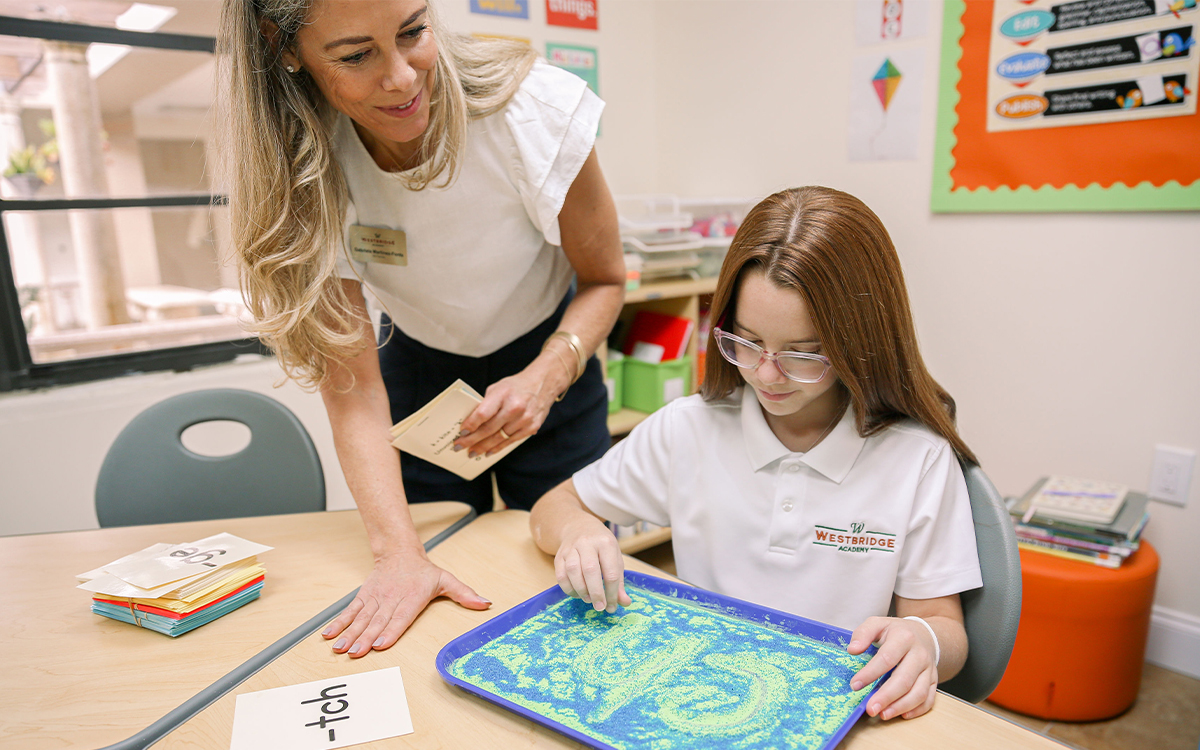
Dyslexia tutors provide one-on-one support tailored to a child’s individual learning style. They can target specific areas of difficulty, such as phonemic awareness, reading comprehension, or spelling. Tutors often use evidence-based methods like the Orton-Gillingham approach, which emphasizes multisensory learning to improve reading skills. This personalized focus can help a child make significant progress without the need for a full-time change in schooling.
Flexible Scheduling
Hiring a dyslexia tutor allows for flexibility in when and where sessions take place, accommodating a family’s busy schedule. This flexibility can be ideal for students who thrive in mainstream classrooms but need additional support outside of regular school hours. A tutor can supplement classroom learning without disrupting a child’s established routine.
Targeted Intervention
Tutors can focus on specific areas where the child needs improvement, such as reading fluency or written expression. This targeted approach can accelerate progress by addressing weaknesses directly, rather than applying a broad-based curriculum.
Cost-Effective Option
Tutoring can be a more affordable alternative compared to enrolling in a full-time specialized school. For families who seek specialized support without the higher costs associated with private special education schools, tutoring offers a practical solution.
Advantages of Full-Time Specialized Schools
Comprehensive Support
Schools that cater specifically to students with learning disabilities, such as Westbridge Academy, offer comprehensive programs that integrate academic instruction with executive function coaching, social-emotional support, and multi-modal teaching strategies. The entire school environment is designed to accommodate and support students with learning differences.
Specialized Curriculum and Staff
Teachers at specialized schools are trained in specific instructional techniques that are effective for students with dyslexia and other learning disabilities. The curriculum is often adapted to meet the needs of diverse learners, with smaller class sizes and individualized learning plans. This can make a significant difference for students who struggle to keep up in a traditional classroom.
Holistic Development
In addition to addressing academic needs, full-time specialized schools often provide therapies, such as speech and language or occupational. Westbridge Academy, for example, integrates a Christ-centered approach, emphasizing spiritual growth alongside academic development, making it easier for students to thrive both personally and educationally.
Structured Environment
Specialized schools offer a consistent, structured environment designed specifically for children with learning disabilities. This structured setting provides predictable routines and a supportive community where students with similar challenges can connect, reducing the feeling of isolation.
Comparing the Two Options
While dyslexia tutoring offers a targeted approach that fits around a child’s existing schedule, full-time specialized schools provide a holistic environment designed to support all aspects of a child’s development. The choice between tutoring and a specialized school often depends on the severity of the dyslexia and the child’s overall academic performance. For children with mild to moderate dyslexia, tutoring may be sufficient. However, if a child struggles significantly in a mainstream classroom, a full-time specialized school may be more beneficial.
A Balanced Approach
Some families choose to combine both approaches. A child might attend a mainstream school while receiving supplementary tutoring, or a student at a specialized school may benefit from additional one-on-one tutoring to focus on particular skills. This blended approach can offer the advantages of both individualized instruction and a supportive school environment.
Westbridge Academy
Deciding between a dyslexia tutor and a specialized school like Westbridge Academy is a deeply personal choice that depends on the child’s unique needs. For those seeking a Christ-centered, comprehensive learning experience that addresses academic, social, and spiritual development, a specialized school may be the best option. However, for children who need targeted support without a full-time change in schooling, dyslexia tutoring can be an effective solution. Understanding the benefits of each option will help parents make the best choice for their child’s success.
0 Comments