
Multi-Modal Instruction
Multi-Modal Instruction at Westbridge Academy
At Westbridge Academy, we believe in reaching every student through tailored approaches that meet diverse learning needs. One of the core methods we use to achieve this is multi-modal instruction, an educational strategy that involves delivering content through multiple sensory channels. By incorporating a range of instructional techniques—visual, auditory, kinesthetic, and tactile—we create a dynamic learning environment where every student can actively engage with the material in ways that resonate with their individual learning styles. Multi-modal instruction is central to our commitment to student-centered learning, making education accessible, engaging, and effective.
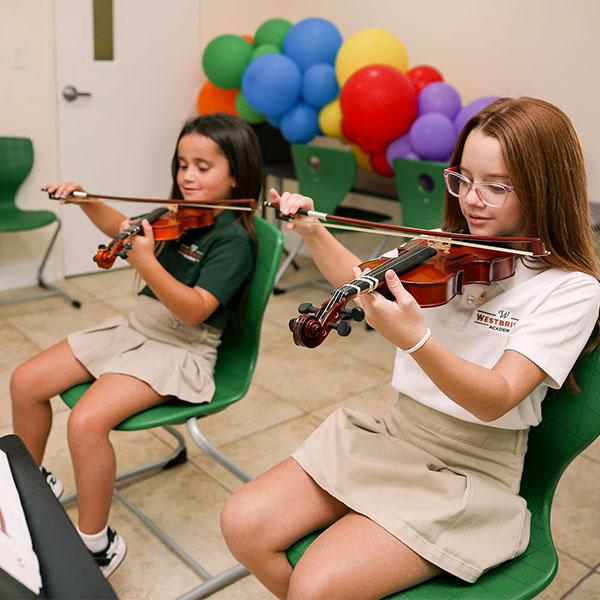
What is Multi-Modal Instruction?
Multi-modal instruction is based on the understanding that people learn best when they can interact with new concepts through various modalities. While some students may excel with visual aids, others might benefit more from hands-on activities or auditory explanations. By blending these approaches in the classroom, we ensure that each lesson caters to a range of learning preferences. For instance, a lesson on ecosystems might include a visual presentation of the food chain, an audio recording of rainforest sounds, a hands-on activity where students build their own model ecosystems, and a discussion that reinforces key concepts.
This approach not only supports academic understanding but also helps students develop greater self-awareness as learners, empowering them to discover which methods work best for them. Multi-modal instruction encourages students to become active participants in their education, strengthening their confidence and fostering independence in the learning process.
Why We Use Multi-Modal Instruction
At Westbridge Academy, our students come with a wide range of abilities, needs, and interests. Many of our students have learning differences, including ADHD, dyslexia, processing challenges, and sensory needs, which can make traditional instruction less effective. Multi-modal instruction allows us to bridge this gap by offering multiple pathways to learning, so every child can absorb, process, and retain information effectively.
This approach also aligns with our belief that learning should be inclusive and accessible. By using multi-modal instruction, we ensure that each student feels engaged, understood, and valued. It promotes active learning, helps reinforce concepts, and reduces the potential for frustration or disengagement. Ultimately, multi-modal instruction supports our goal of making learning not only more effective but also more enjoyable.
How We Implement Multi-Modal Instruction
At Westbridge Academy, we implement multi-modal instruction in all subject areas. Here are some ways our educators bring this approach to life in the classroom:
Visual Learning
Visual aids such as diagrams, infographics, videos, and illustrations are incorporated to help students visually process information. These resources are particularly useful in subjects like science and mathematics, where complex concepts can often be simplified through visual representation.
Auditory Learning
In addition to traditional verbal instruction, we use audio tools such as recordings, music, and discussions. Storytelling, read-aloud sessions, and peer presentations allow students to hear information, helping auditory learners connect with and remember concepts.
Kinesthetic and Tactile Learning
Many students learn best when they can be physically involved in the lesson. For these learners, we incorporate hands-on activities, such as experiments in science, building models, and even movement-based activities that allow students to engage with content through action. For example, students studying geometry might explore shapes through a hands-on project that requires building 3D models.
Digital and Interactive Learning
In a technology-rich environment, we integrate digital tools that offer interactive experiences, such as educational apps, online simulations, and collaborative digital projects. Students might use a math app that allows them to manipulate shapes or a virtual lab where they can conduct experiments in real-time.
Benefits of Multi-Modal Instruction for Westbridge Students
Multi-modal instruction not only enhances understanding but also promotes the development of essential skills:
Improved Retention and Comprehension:
When students are exposed to information in multiple ways, they are more likely to understand and retain it. This layering of learning experiences reinforces key concepts and helps students make connections between different ideas.
Increased Engagement:
Multi-modal instruction makes learning more interactive and enjoyable. Students stay engaged when they can switch between activities and modalities, and they are less likely to feel overwhelmed or bored.
Personalized Learning:
This approach helps our educators observe how each student learns best. By understanding individual strengths and needs, our teachers can personalize instruction to maximize each child’s potential.
Adaptability and Confidence:
By experiencing various learning styles, students become more adaptable learners. They gain the confidence to try new methods, which empowers them to approach learning challenges with resilience and creativity.
Enhanced Executive Function Skills:
Multi-modal instruction promotes organization, focus, and planning skills, especially important for students with learning differences. By working across different formats, students practice transitioning between tasks and organizing information in a way that makes sense to them.
A Commitment to Inclusive and Effective Education
At Westbridge Academy, we are committed to creating a learning environment where every student feels capable, inspired, and engaged. Multi-modal instruction allows us to provide a flexible and inclusive education that respects each student’s learning style, offering a supportive foundation for both academic and personal growth. We believe that by equipping students with diverse ways of learning, we empower them to succeed in their studies and beyond.